Film · Japan · · 2 min read
二人の瞳: Margaret O’Brien, Hibari Misora and a Poster in Nate’s Archive
In 1952 Hollywood child star Margaret O’Brien went to Japan to make 二人の瞳 (Futari no Hitomi) with Hibari Misora. Decades later she posed with its poster — in Swoboda.
Among the photographs Nate Waxman has kept for decades, one stops everyone who sees it. Margaret O’Brien — the girl who stole Meet Me in St. Louis from under Judy Garland — stands in a dark dress and a strand of gold, holding a framed Japanese film poster. Two girls smile out of it, hand in hand. The title runs down the side in bold red characters: 二人の瞳.
The film
二人の瞳 (Futari no Hitomi, “The Eyes of Two People”) was made by Daiei in Tokyo and released in Japan on October 23, 1952. In the United States it was called Girls Hand in Hand. Margaret O’Brien, then fifteen and one of the most famous child actors in the world, travelled from Hollywood to star in it opposite Hibari Misora — the same age, and already on her way to becoming the most beloved singer of postwar Japan.
The story is simple and tender. O’Brien plays Katie, an American girl visiting her father in Japan. On a street corner she meets Marie, an orphan played by Misora, who is collecting money to build an orphanage. Neither girl speaks the other’s language. They become friends anyway — with gestures, glances and songs — and Katie throws herself into the fundraising.
In Japan, Hibari Misora is still remembered as the queen of the Shōwa era. A film pairing her with a Hollywood star, at the height of both their fame, is a piece of shared history between two countries that had been at war only seven years before.
The poster, and the jewelry
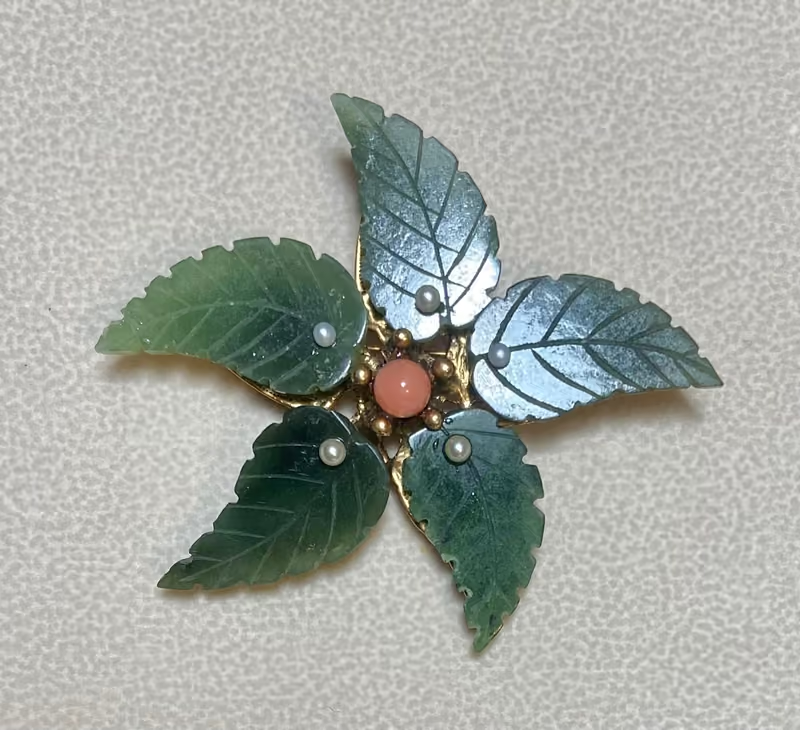
What the photograph doesn’t say out loud is how it came to be in a jeweler’s archive. Margaret O’Brien appears again and again in Nate’s collection: at lunch with Nate, at galas with Patty Andrews and June Haver, at a dinner with Anthony Hopkins, with Mickey Rooney. In many of those pictures she is wearing Swoboda — a sea-star brooch, a gold statement necklace, a jeweled pin on a lapel.
Hollywood’s golden-age stars wanted jewelry with the real look — and genuine stones gave it to them.
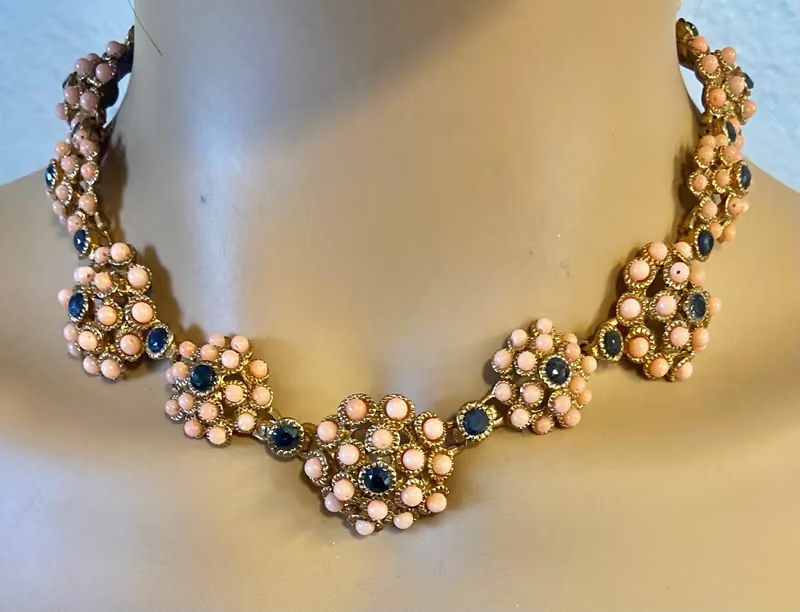
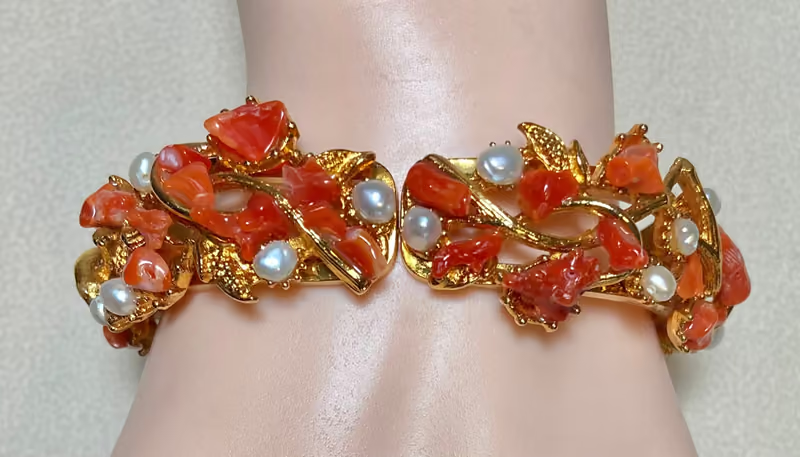
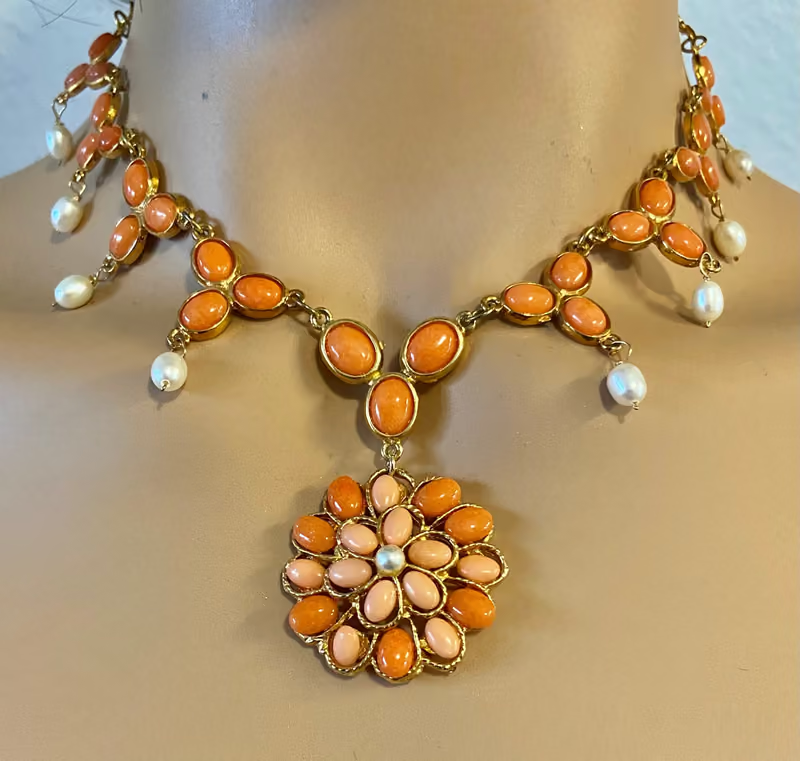
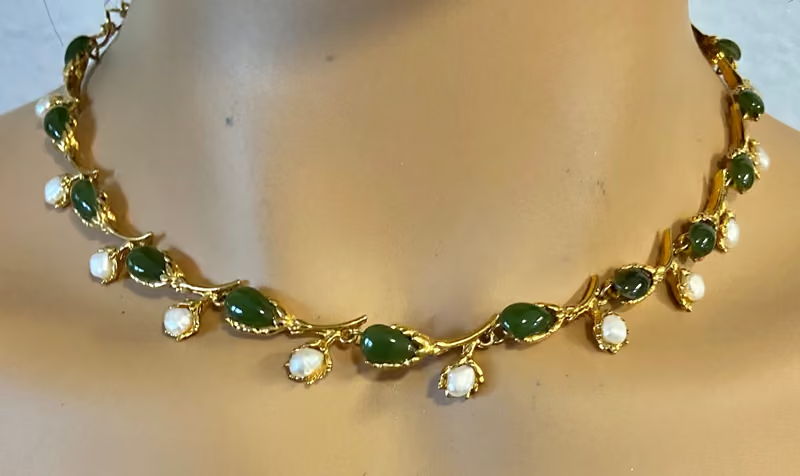
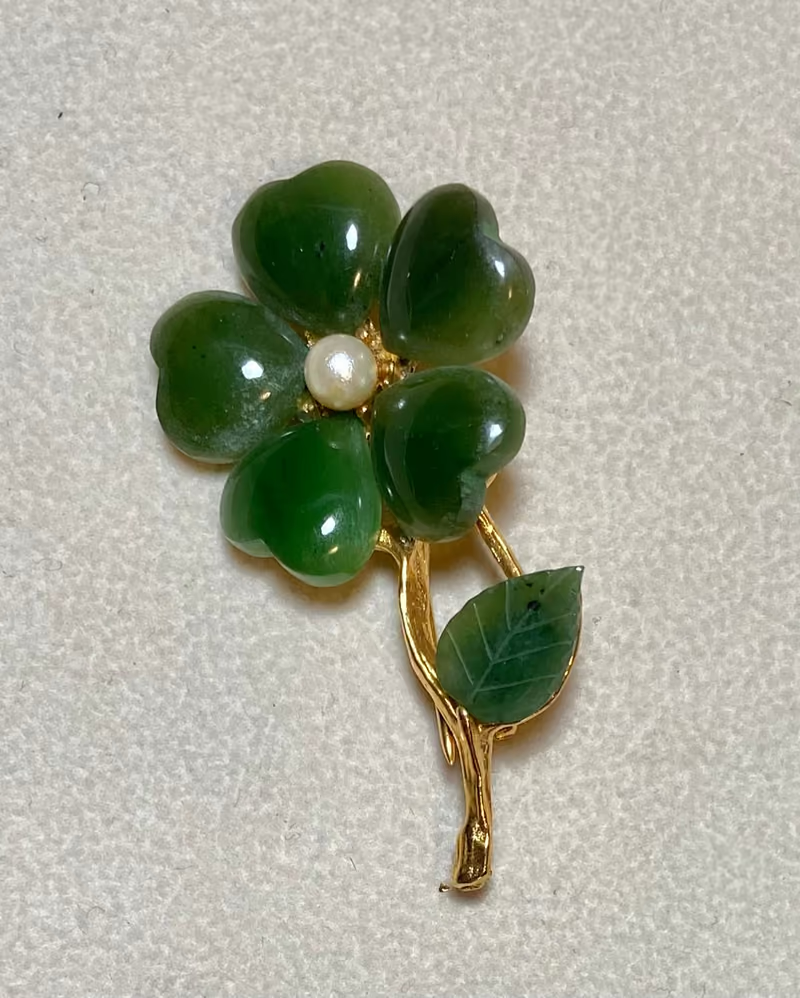
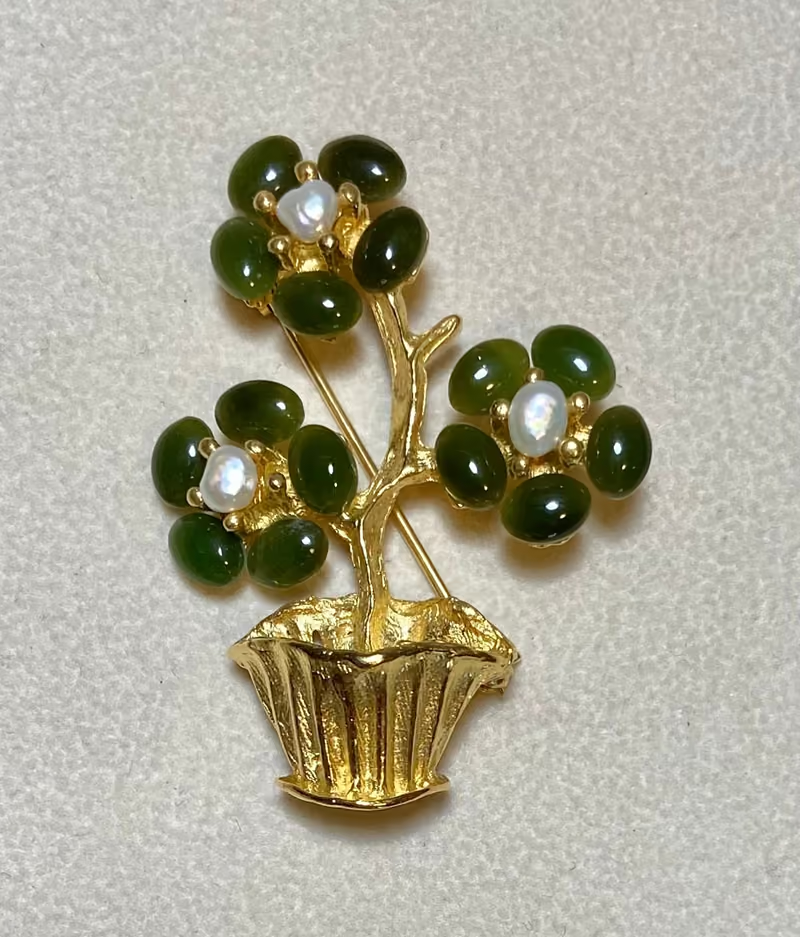
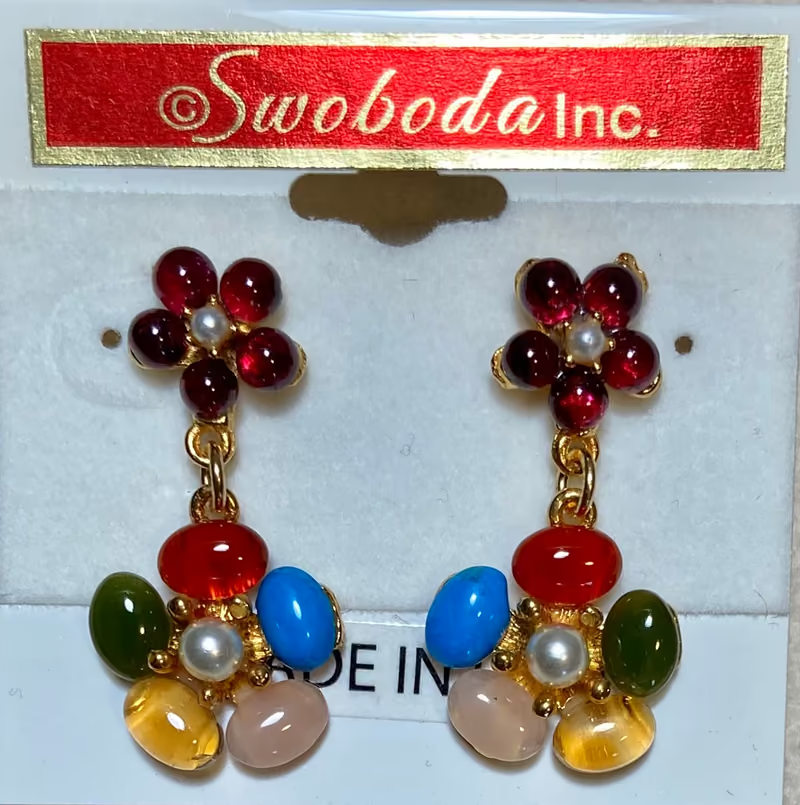
That is the Swoboda idea in one line: real jade, coral, opal and moonstone, hand-set in 24k gold plate, at a price you could actually wear out of the house. It suited women who lived in front of cameras. It still does.
Why this matters to collectors in Japan
Swoboda has long had devoted collectors in Japan, and this photograph is part of the reason the brand feels close to home there: a Hollywood star, a Shōwa legend, a film about friendship across languages — and Swoboda jewelry in the frame.
If you are reading this from Tokyo or Osaka, Nate ships internationally. See how to order from outside the US, or browse the pearl and gold pieces that most recall the photograph.
Photograph from the private collection of Nate Waxman. Appearance in the archive does not imply endorsement.